


-

Add: HeBei ShengShi HongBang Cellulose Technology CO.,LTD.
-

Email
13180486930@163.com -

CONTACT US
+86 13180486930

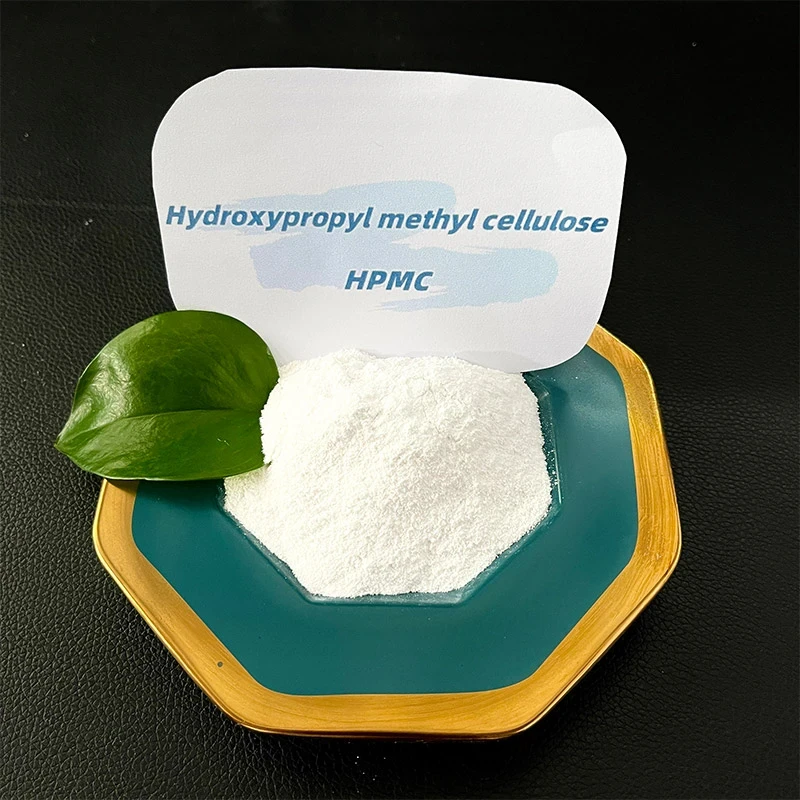


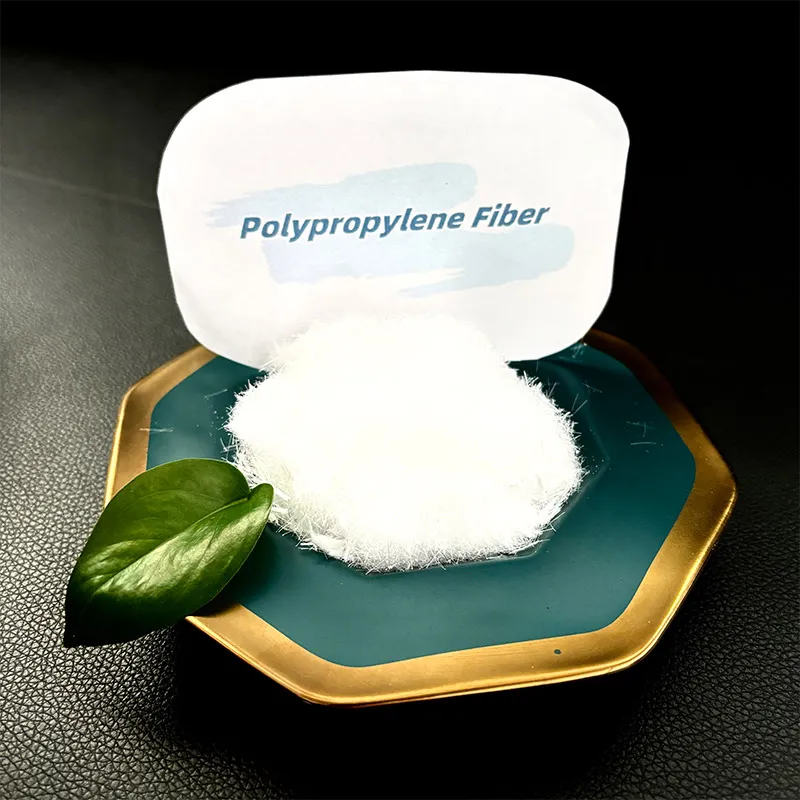
Glass filled polypropylene, commonly known as glass filled PP, is a marvel of modern engineering that brings a plethora of benefits across various industries. As a seasoned industry expert, I have seen firsthand how the incorporation of glass fibers into polypropylene matrices has transformed the durability and functionality of a range of products, making it a material of choice for numerous applications. In the realm of automotive manufacturing, glass filled PP has emerged as a driving force behind enhanced vehicle performance and durability. Its superior strength-to-weight ratio makes it an ideal substitute for heavier metals, contributing to significant weight reductions in vehicles. This not only improves fuel efficiency but also reduces carbon emissions, aligning with global sustainability goals. I have observed that automotive engineers often prefer glass filled PP for parts like front-end modules and under-the-hood components due to its exceptional thermal resistance and sound dampening properties. The packaging industry is another sector where glass filled polypropylene has made significant inroads. Its robust mechanical properties ensure that containers and packaging materials maintain their integrity even under extreme conditions. With the heightened focus on sustainable packaging solutions, glass filled PP offers an eco-friendly alternative that does not compromise on performance. My experience with leading packaging manufacturers has shown that switching to glass filled PP can lead to reduced material wastage and enhanced recyclability of products. In the electrical and electronics fields, glass filled PP has set new standards for efficiency and safety. Its excellent insulating properties and resistance to electrical conductivity make it ideal for housing electrical components. Additionally, its flame retardant capabilities provide an added layer of safety, crucial in the manufacturing of household appliances and consumer electronics. Industry specialists frequently refer to glass filled polypropylene as a game-changer for enhancing product longevity and reliability. The construction industry, too, has not been left behind in embracing the advantages of glass filled PP. This material has been instrumental in creating lightweight, yet robust construction materials, from piping systems to roofing components. Its resistance to chemical corrosion and moisture absorption makes it particularly suitable for use in extreme environmental conditions. During my consultations with construction firms, the feedback has been overwhelmingly positive, highlighting reduced maintenance costs and improved infrastructure resilience. glass filled pp From a technical perspective, the process of compounding glass fibers with polypropylene demands precision and expertise. The proportion of glass filler can be meticulously controlled to optimize the material's mechanical properties for specific applications. My collaborations with polymer scientists and engineers have underscored the importance of technology and precision in manufacturing these advanced composite materials. The true innovation of glass filled polypropylene lies not just in its structural benefits, but also in its versatility. This material can be tailored to meet a wide range of aesthetic and functional requirements, allowing for custom solutions that cater to specific industry needs. Its adaptability and ease of processing mean that manufacturers can create parts with intricate geometries and superior surface finishes, which are often required in both consumer and industrial applications. Trust in materials is pivotal across industries, and glass filled PP does not fall short in this respect. Reputable testing and certification processes bolster its credibility, providing assurance of its performance and compliance with industry standards. It is crucial for manufacturers to rely on certified suppliers to ensure the uniformity and quality of glass filled PP, which in turn maintains the integrity of the final products. My experiences with quality assurance specialists have shown that this reduces long-term liability and enhances consumer trust. In conclusion, the transformative impact of glass filled polypropylene cannot be overstated . Its innovative blend of strength, durability, and versatility offers a sustainable path forward across diverse sectors, from automotive to electronics and beyond. Embracing glass filled PP as a staple in product manufacturing is not just a step towards modernity but a commitment to progress and excellence. With a keen eye on emerging trends and technological advancements, industries can continue to leverage this material’s full potential, yielding products that are not only superior in performance but also aligned with the highest standards of quality and environmental responsibility.
- 40000tons

Production
- 20+years

Experience
- 5000+㎡

Acreage

-
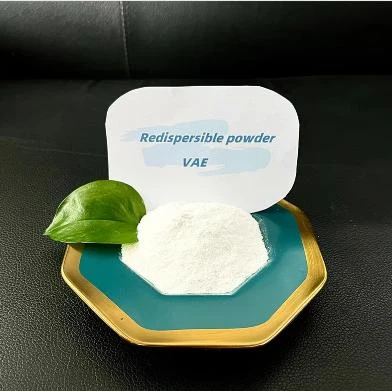
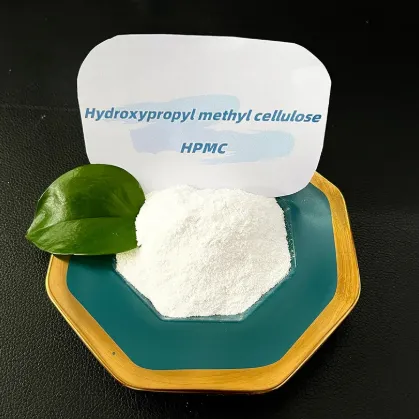
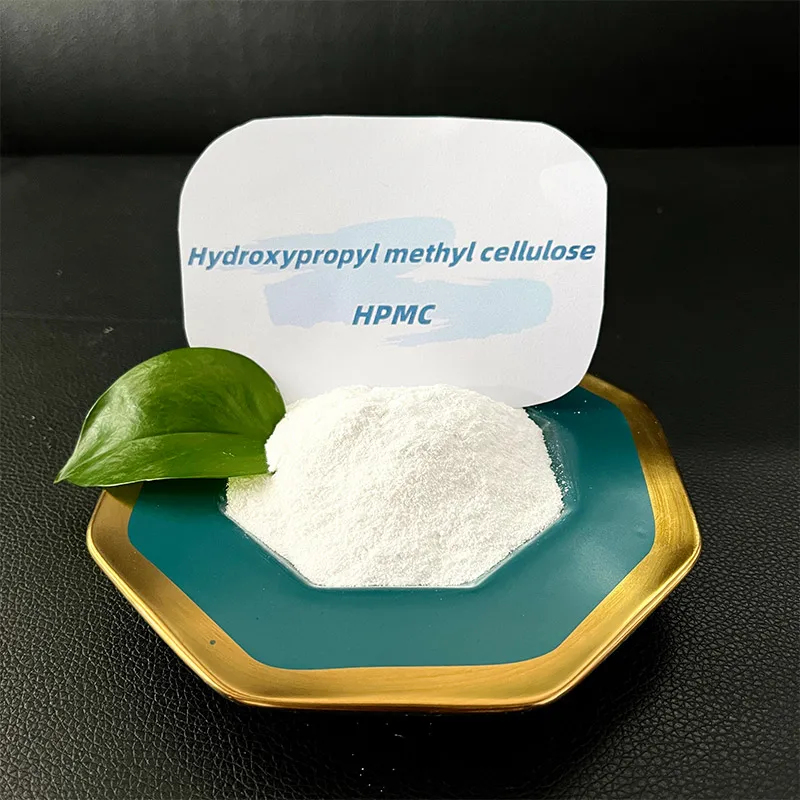
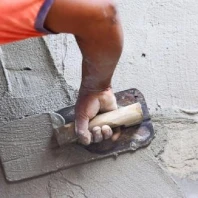
Hydroxypropyl Methylcellulose (HPMC) is an essential polymer used across various industries due to its adaptable nature and functional versatility. The complexity of its applications often warrants a closer examination of the different grades available in the market to effectively leverage their unique properties. Hydroxypropyl Methylcellulose comes in several grades, each tailored for specific functionalities. These grades differ mainly in viscosity, particle size, and substitution levels, which greatly influence their performance in diverse applications. The pharmaceutical industry extensively utilizes pharmaceutical grade HPMC as an excipient. This grade is essential in formulating controlled release drugs, offering superior stability and consistency. Real-world experiences affirm that pharmaceutical grade HPMC not only enhances the viscosity of the solution but also acts as a robust film-former, resisting degradation over time. Certified by rigorous standards, this grade showcases the crucial balance between safety and performance. In the construction industry, HPMC plays an indispensable role, particularly in tile adhesives, grout, and cement. The construction grade HPMC is distinguished by its enhanced water retention properties and workability. Construction professionals value this grade for its ability to improve open time and ensure smoother application. My long-standing interaction with industry experts revealed that the superior adhesion and cohesion provided by specialized construction grades significantly reduce sagging upon application, leading to longer-lasting structures. Food grade HPMC is another noteworthy category, primarily engaged in the food industry. This grade serves as an emulsifier, thickener, and stabilizer in various culinary applications, including plant-based alternatives. The trustworthiness of food grade HPMC is paramount as it is involved in ingestion; thus, it complies with the strictest regulatory standards. Leading food technologists often cite its non-toxic and hypoallergenic properties as pivotal when creating consumer-friendly vegan and vegetarian recipes, adding that consistent texture and mouthfeel are achieved with unmatched ease through this grade. different grades of hpmc In environmental applications, surface coating and protection measures increasingly rely on HPMC. In these contexts, specialty grades of HPMC are reputed for their biopolymer properties, offering eco-friendly yet effective solutions. These specialty grades excel in bioadhesive applications, where their performance aligns with sustainable practices. Professionals engaged in green chemistry initiatives often convey that the bio-based grades of HPMC provide not only environmental compatibility but also maintain the mechanical integrity necessary for broad-spectrum applications. Another vital domain is the personal care industry, where cosmetic grade HPMC is prevalent. It is used in lotions, creams, and shampoos as a thickening agent. Researchers emphasize the role of cosmetic grade HPMC in enhancing the viscosity of formulations, which directly relates to the product's efficacy and consumer perception. Elaborate testing and testimonies from dermatological experts underpin its safety and compatibility with skin, embodying trust and reliability in personal care products. Advanced research and development continue to forge newer grades of HPMC , tailored for high-tech applications. Engineers in the field of 3D printing, for example, are beginning to explore unique grades of HPMC with specialized rheological properties to optimize the print quality and speed, marking a testament to HPMC’s adaptability. Conclusively, the diverse grades of HPMC highlight the polymer’s intrinsic versatility across various industries. Each grade is a testament to its optimized formulation for specific applications, ensuring efficacy, reliability, and safety. These attributes not only render HPMC indispensable in existing domains but also hold the promise for pioneering applications. Considering the dynamic market demands, staying informed about the latest advancements and applications in HPMC grades is paramount for professionals keen on leveraging this polymer’s full potential for innovative solutions.
-
Hydroxypropyl methylcellulose 2208 , a highly versatile compound, stands at the forefront of numerous industrial applications due to its exceptional properties and efficacy. Widely recognized in the fields of pharmaceuticals, food manufacturing, and construction, this compound is celebrated for its ability to encapsulate, bind, and thicken with remarkable efficiency. In the pharmaceutical sector, hydroxypropyl methylcellulose 2208 serves as an essential ingredient in the production of controlled-release formulations. Its unique viscosity and gel-forming capabilities ensure the consistent release of active ingredients, thereby enhancing the therapeutic efficacy of medications. Experienced pharmacists often laud this compound for its stability under various pH conditions, which guarantees maximum absorption in the digestive tract. Clinical trials consistently demonstrate its safety and non-toxicity, reinforcing the trust medical professionals place in its use. In the realm of food technology, hydroxypropyl methylcellulose 2208 is acknowledged as a food additive that optimizes texture and consistency. Its ability to act as an emulsifier and stabilizer is particularly valued in the production of low-fat dairy and bakery products. Culinary experts often highlight its role in improving mouthfeel and extending shelf life, providing a more satisfactory experience for consumers. Given its plant-derived origin, it meets the growing demand for vegetarian and vegan-friendly additives, thereby aligning with modern dietary preferences. hydroxypropyl methylcellulose 2208 The construction industry finds hydroxypropyl methylcellulose 2208 indispensable, especially in cement-based applications. As a highly effective water retention agent and workability enhancer, it improves the adhesion and durability of mortars and plasters. Professional builders and craftsmen appreciate its contribution to reducing shrinkage and cracking, ultimately leading to more robust and long-lasting structures. Technical data consistently supports its superior performance in high-stress environments, making it a go-to choice for industry leaders aiming to achieve excellence and innovation. From an environmental perspective, hydroxypropyl methylcellulose 2208 is a compound that shines. Being biodegradable and derived from natural sources, it meets the sustainability criteria that modern industries strive for. Environmental scientists and sustainability experts commend its role in reducing carbon footprints and promoting eco-friendly industrial practices. Its integration into sustainable product lines showcases how advances in material science can align with global efforts to protect the planet. Overall, hydroxypropyl methylcellulose 2208 is a testament to scientific advancement and industrial versatility. Through extensive research and real-world application, it commands respect and trust across various sectors. Its continuous evolution and adaptability resonate with industry experts who are committed to excellence in their fields. As global trends continue to push for innovation and sustainability, hydroxypropyl methylcellulose 2208 remains a key player, inspiring confidence with its authoritative presence and trusted solutions.
advantages
-

200000 Viscosities
Excellent product
We can produce pure products up to 200,000 viscosities
-

40000 tons
High yield
We don’t stop production all year round, and the annual output can reach 40,000 tons
-

24 hours
Quality service
We provide 24-hours online reception service, welcome to consult at any time
———— Inquiry Form
Schedule A services

-
 celulosa_de_madera
Oct . 25, 2025
Hydroxypropyl methylcellulose (HPMC) polymer is increasingly capturing the attention of researchers, -
 gamit_ng_starch_ether
Oct . 25, 2025
Glass filled polypropylene, commonly known as glass filled PP, is a marvel of modern engineering tha -
 hpmc_viscosity_table
Oct . 25, 2025
Hypromellose, also known as hydroxypropyl methylcellulose (HPMC) , is a versatile and widely used in


